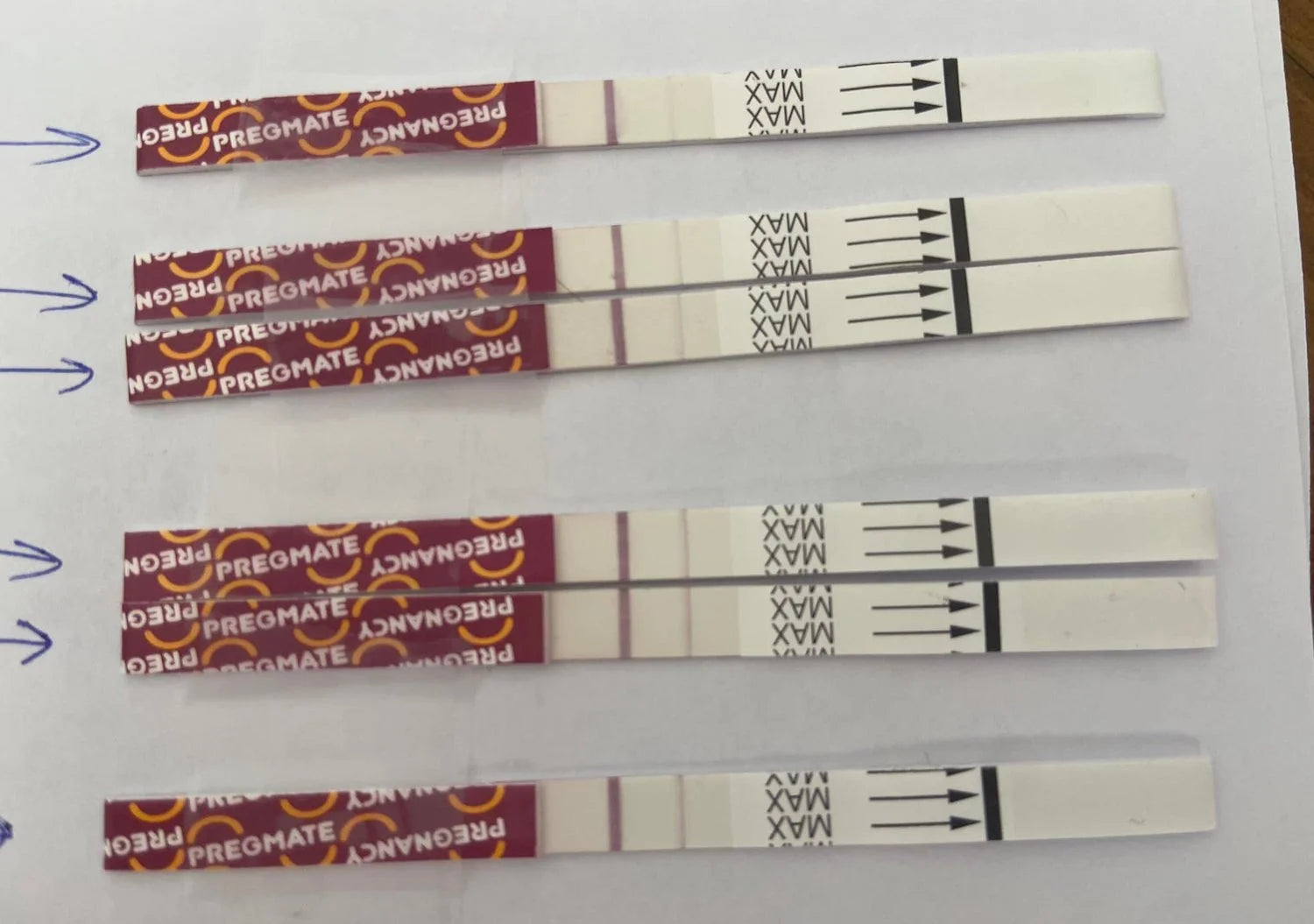

You’ve likely heard of Ovulation Predictor Kits, or OPKs. Perhaps you have used or currently use them to track your ovulation. OPKs track the surge in Luteinizing Hormone (LH). Did you know, though, that your LH surge is not synonymous with your fertile window? Let’s dig in.
The fertile window results from a sequence of hormonal changes orchestrated by the hypothalamic-pituitary-ovarian (HPO) axis. At the start of your cycle, or the first day of your period, the rising FSH produced by the pituitary gland in the brain, drives the ovarian follicles to begin to grow.
The fertile window results from a sequence of hormonal changes orchestrated by the hypothalamic-pituitary-ovarian (HPO) axis. At the start of your cycle, or the first day of your period, the rising FSH produced by the pituitary gland in the brain, drives the ovarian follicles to begin to grow.

This unique communication between the ovary and the brain results in the selection of one (or two) dominant follicle(s), which will eventually release the egg at ovulation. The growing follicle(s) begins to produce estrogen which continues to increase as the cycle progresses. In turn, the glands of the cervix begin to secrete increasing amounts of cervical mucus. This shift in estrogen results in wetter, more abundant cervical mucus, which is increasingly more fertile. In short, this creates an environment that is hospitable and nourishing to sperm.
The importance of estrogen should not be undermined. While working to develop the lining of the uterus, the peak in estrogen also facilitates the surge of luteinizing hormone, or LH-the hormone detected by ovulation predictor kits. This rise in LH triggers the release of the egg from the dominant follicle, also known as ovulation. The rise in LH can be brief, or can be sustained and remain elevated even after ovulation has occurred.
So, when does the fertile window fall during this rhythmic sequence of hormonal changes?
To answer this, we first need to understand the role of cervical mucus. Cervical mucus makes the vaginal environment a sperm-friendly place to be. As estrogen rises and the chemical composition of the fluid also changes, resulting in a less acidic environment, which is vital to the survival of sperm. In addition, the increasing quantity of mucus helps create channels from which to filter out abnormal sperm and support typical sperm on their journey towards the egg. The cervical fluid also provides vital nutrients to sustain and nourish the sperm while they await the release of the sperm. Given all of these ways that the cervical fluid supports the sperm, the sperm can survive in the reproductive tract for up to 5 days.
Let’s put the pieces together.
Since sperm can survive for up to 5 days thanks to the nourishing and hospitable vaginal environment that the cervical fluid creates, the fertile window extends for about 5 days. For most, ovulation occurs within 24-36 hours after the LH surge, however, it can range from 12-48 hours.
The importance of estrogen should not be undermined. While working to develop the lining of the uterus, the peak in estrogen also facilitates the surge of luteinizing hormone, or LH-the hormone detected by ovulation predictor kits. This rise in LH triggers the release of the egg from the dominant follicle, also known as ovulation. The rise in LH can be brief, or can be sustained and remain elevated even after ovulation has occurred.
So, when does the fertile window fall during this rhythmic sequence of hormonal changes?
To answer this, we first need to understand the role of cervical mucus. Cervical mucus makes the vaginal environment a sperm-friendly place to be. As estrogen rises and the chemical composition of the fluid also changes, resulting in a less acidic environment, which is vital to the survival of sperm. In addition, the increasing quantity of mucus helps create channels from which to filter out abnormal sperm and support typical sperm on their journey towards the egg. The cervical fluid also provides vital nutrients to sustain and nourish the sperm while they await the release of the sperm. Given all of these ways that the cervical fluid supports the sperm, the sperm can survive in the reproductive tract for up to 5 days.
Let’s put the pieces together.
Since sperm can survive for up to 5 days thanks to the nourishing and hospitable vaginal environment that the cervical fluid creates, the fertile window extends for about 5 days. For most, ovulation occurs within 24-36 hours after the LH surge, however, it can range from 12-48 hours.

When is the optimal time to have sex when you are trying to conceive?
With kegg, the user is able to see the full fertile window. If a woman relies on LH testing alone, she likely will miss the 3-4 days before the rise in LH that are fertile. This is critical since the best chances to conceive are 1-3 days before ovulation. With kegg, the user can see in advance when these days are estimated to occur, and in real-time as their fertile days are unfolding. Timing your efforts in advance of ovulation greatly increases the likelihood of conception occurring.
With kegg, the user is able to see the full fertile window. If a woman relies on LH testing alone, she likely will miss the 3-4 days before the rise in LH that are fertile. This is critical since the best chances to conceive are 1-3 days before ovulation. With kegg, the user can see in advance when these days are estimated to occur, and in real-time as their fertile days are unfolding. Timing your efforts in advance of ovulation greatly increases the likelihood of conception occurring.
While tracking LH can be useful for being aware that ovulation may be imminent, it fails to properly identify your most fertile days. A negative LH test does not ensure that the user is not in their fertile window. Conversely, a positive LH test does not guarantee the you've identified your most fertile days. As a result, relying on LH testing to time your trying to conceive efforts will not result in optimal timing. Thankfully, kegg takes the guesswork out of timing for you so you can ensure you do not miss an opportunity to conceive.